

About This Guide

Purpose of the Guide
This guide is designed to support early career nutritionists exploring roles in the food, beverage, and/or pharmaceutical industry. Inside, you’ll find practical insights into different career paths, real-world case studies from professionals working across the sector, an overview of a career framework to help you plan your progression, and a curated set of resources to support your development.
Whether you’re just starting out or considering your next step, this guide is a handy reference to help you understand the opportunities available, gain inspiration from those already in the field, and navigate your own career journey with confidence.
What You'll Find in This Guide
- Roles in Industry – Overview of food industry roles and sectors.
- Career Case Studies – Career highlights, tips, and advice from experts in different areas of industry.
- Resources & Learning – CPD resources for industry nutritionists and guidance on how to make the most out of NII.
Roles in Industry

Key Sectors for Nutritionists in Industry
- Food Service & Catering – Working with catering companies, hospitality providers, and food service businesses supplying food and/or beverages to hospitals, schools, restaurants, and other institutions.
- Food Manufacturing – Supporting the development of food, beverages, snacks, and foods for specific needs, such as baby foods.
- Wholesale & Ingredient Supply – Advising food or ingredient suppliers on nutritional aspects of their products for use in food manufacturing.
- Retail & Consumer Goods – Providing expertise for supermarkets, pharmacies, and online retailers on nutrition and regulations as well as educating customers.
- Animal Nutrition – Applying nutritional knowledge to pet food and livestock feed industries.
- Industry & Trade Associations – Working with food industry bodies to guide policy, regulatory standards, and best practices.
- Charities & Non-governmental organisations (NGOs) – Engaging in food-related advocacy, sustainability, and public health initiatives.
PR & Communications – Supporting brands and agencies in nutrition messaging, public relations, and marketing campaigns. - Freelance & Consultancy – Providing independent expertise across multiple sectors, from regulatory compliance to nutrition strategy.
- Pharmaceutical & Clinical Nutrition – Advising supplements and healthcare companies on the development of their products.
Areas of Expertise Within These Sectors
- Product Development & Reformulation – Creating and improving food products to meet nutritional standards and consumer needs.
- Retail & Brand Nutritionist – Advising retailers and brands on product positioning, labelling, and consumer education.
- Food Service & Catering Nutritionist – Enhancing the nutritional value of meals served in schools, hospitals, and restaurants.
- Regulatory & Compliance Specialist – Ensuring food products comply with legal nutrition and health claim regulations (e.g. EFSA).
- Food Safety & Quality – Overseeing food safety standards, HACCP protocols, and quality assurance processes.
- Public Health & Policy – Influencing food policy and regulations, often in collaboration with governments, NGOs, and industry bodies.
- Nutrition Communications – Translating complex nutritional science into consumer-friendly content for marketing, PR, and social media.
- Nutrition Research Scientist – Conducting research on the impact of nutrients and food products, including clinical trials and academic collaborations.
- Sustainability – Incorporating nutrition and sustainability initiatives and strategies.
Note: A role may incorporate more than one of these, depending on the sector. This list isn’t exhaustive.
Case Studies
We asked eight nutritionists in industry to tell us about their experiences and what advice they’d give to someone starting out.
Here are some snippets from what they told us.

Rachel Bradford – Nutrition Manager at KFC UK&I
Food Service & Catering
What advice would you give to someone starting out in your sector?
“Speak to everyone. Nutrition recommendations don’t sit in a silo – they need to be fit for purpose across operations, marketing, supply chain, and more. Working on the floor opened my eyes to the real-life questions and lives of our customers and team members.”
What’s your favourite thing about working in your sector?
“The business moves really fast, which makes things exciting and keeps me busy. I get to work on a huge variety of projects and with different teams.”

Beth Hooper – Senior Nutritionist at Nestle
Food Manufacturing
What’s your favourite thing about working in your sector?
“Being part of a large manufacturer means I work on brands that you see in everyday homes. It’s so rewarding knowing that our efforts can positively impact what people choose to eat. Plus, I get to spend a large part of the day talking about food!”
What’s the biggest challenge you face working in your sector?
“The commercial reality that the healthiest foods aren’t always the most popular with consumers. Nutrition is often a small part of the puzzle, so success is sometimes gradual but it can still make a big impact.”

Charli Farrar – Nutrition Manager at Asda
Retail & Consumer Goods
What advice would you give to someone starting out in your sector?
“When I first started, someone told me to be a sponge and this is the best advice I could pass on. Soak up everything around you, not only nutrition, but there are so many transferable skills you can learn.”
What’s the biggest challenge you face working in your sector?
“Ultimately, I work for a commercial business whose biggest priority is sales and to make profit. Whilst health can play a beneficial part in this, it isn’t always the ‘sexiest’ message, and doesn’t always make the business loads of money. You have to win the hearts and minds of colleagues. This is why building relationships across the business is so critical, and learning how to present your case in a way that resonates with the business.”

Holly Pullen – Science Communications Manager at Holland and Barrett
Retail & Consumer Goods
What advice would you give to someone starting out in your sector?
“Start by building strong business acumen – it’s crucial to understand how your nutritional science knowledge fits into the bigger picture within a corporate environment. Focus on learning how to manage stakeholders effectively, keep your scientific knowledge sharp, and stay on top of emerging trends and innovations.”
What’s the biggest challenge you face working in your sector?
“Corporate structures and jargon can sometimes slow things down, so understanding how organisations work and nurturing relationships with key internal stakeholders is key to getting your voice heard.”

Dr Emily Prpa – Head of Science at Yakult
Science Communications
What’s your favourite thing about working in your sector?
“I particularly enjoy the challenge and creativity involved in bringing science to life—especially on stage or through presentations. Whether it’s simplifying complex nutritional concepts for wider audiences or developing innovative ways to engage people, there’s a real sense of purpose and excitement in making science accessible and relevant.”
What advice would you give to someone starting out in your sector?
“Being knowledgeable is important, but being able to translate complex scientific information into something meaningful and understandable for different audiences is a separate, vital skill that takes time to master. Look for chances to practice – whether that’s through writing, presenting, social media, or public engagement events.”
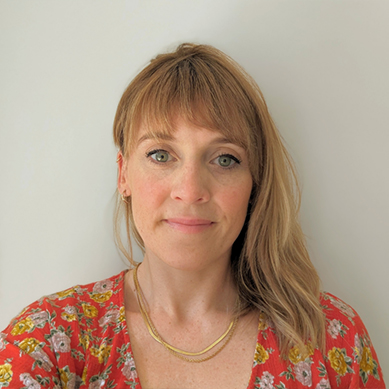
Amy Glass – Head of UK Diet & Health Policy at The Food & Drink Federation (FDF)
Trade Associations
What’s your favourite thing about working in your sector?
“A key highlight of my current role is having the chance to collaborate with nutritionists across a vast array of food & drink companies, getting insight to the different nutrition priorities and challenges across businesses, and seeing how we can work together collectively to improve the nation’s health.”
What’s the biggest challenge you face working in your sector?
“The biggest challenge working in a trade association is navigating the competing priorities of your members. Horizon scanning and priority mapping are key tools to help inform discussions and to see where best you focus your time!“

Eiméar Sutton – Head of Nutrition at BIOVIT
Ingredients
What’s your favourite thing about working in your sector?
“Working in the ingredients space is exciting because it allows me to collaborate with a wide range of brands and product categories. At work, there’s also a strong focus on research, which means I get to work closely with academics – an opportunity I really value.”
What advice would you give to someone starting out in your sector?
“Be proactive with networking. When you’re the only nutritionist in your company or region, conversations can be a lifeline — offering support, sparking new ideas, and opening doors you didn’t know existed!”

Jacquie Lavin – Freelance (Previously Head of Research & Scientific Affairs at Slimming World)
Freelance and Consultancy
What’s your favourite thing about working in your sector?
“I particularly enjoy being able to fully dedicate my time and focus into a specific project. I can get stuck into deeper detail rather than working on multiple tasks alongside general management at the same time.
What’s the biggest challenge you face working in your sector?
“Whilst working on a freelance basis certainly has a lot of advantages, you can miss team working, collaboration, and the opportunity to bounce ideas off others. This is where networking opportunities like the NII meetings can be so valuable!”
Resources & Learning

How to use NII for your personal development
Continuing Professional Development (CPD) Meetings
NII hosts three themed meetings each year, with topics chosen by members through an annual survey. Each event features expert speakers who share cutting-edge research findings and actionable insights that can be directly applied at work. All meetings are accredited by the Association for Nutrition (AfN), so your attendance contributes to your CPD portfolio.
Networking
Each NII meeting includes dedicated networking sessions, giving you the chance to connect with a diverse group of nutrition professionals working across the food and nutrition sectors.
We also run regular Early Careers networking sessions, including internal networking sessions with other NII members, as well as joint sessions with other partners including Nutrition Society and the AfN. Look out for information on these in your regular emails from the Chair.
Buddy Scheme
The NII Buddy Scheme can pair you with another NII member to meet up before or at the start of a CPD meeting. It’s a great way to ease into the NII community and make your experience more enjoyable. If you’d like to be matched with a buddy for the next meeting, just reach out to Eiméar (eimearsutton97@gmail.com).
Mentoring Programme
NII is excited to be launching a mentoring programme in 2026, designed to match early-career professionals or those seeking guidance with experienced nutritionists from a variety of sectors. Whether you’re looking to explore a new area of the food, beverage, or pharma industry, transition roles, or simply want advice on career progression, this scheme offers meaningful, one-to-one support. More info on this to be shared soon.
CPD Resources
Here are some of our top recommendations for keeping up to date on nutrition scienceand what’s going on in the industry:
Webinars / Seminars / Events:
- MyNutriWeb
- Institute of Food Science and Technology
- Nutrition Society Events
- Food and Drink Federation Events
- IGD Events
- Kerry Health and Nutrition Institute
Newsletters
- Association for Nutrition (AfN) Newsletter: Digest
- British Nutrition Foundation (BNF) Newsletter
- The Nutrition Society Member Magazine: Gazette
- IGD Newsletter Bulletin and Newsletter
- Alinea Nutrition
- The Planetary Alliance
Job boards
Applying for ANutr status
A Registered Associate Nutritionist (ANutr) can prove underpinning scientific knowledge in evidence-based nutrition, but has yet to acquire the significant experience of the practical application of this knowledge required for transfer to Registered Nutritionist (RNutr) status.
There are two ways to apply to become a UKVRN Registered Associate Nutritionist (ANutr):
Direct entry through an AfN accredited degree programme
Portfolio entry for those that have graduated from a nutrition degree that is not accredited.
The AfN website provides all the information you need to know to apply: https://www.associationfornutrition.org/register/apply-registration/apply-anutr
Transferring from ANutr to RNutr
Registered Associate Nutritionists (ANutr) are expected to apply for transfer to Registered Nutritionist (RNutr) registration after attaining sufficient relevant professional experience, which is typically approximately three years of post-degree professional practice.
Staying on track with your evidence collection is key to a smooth transition from ANutr to RNutr. The document below, provided by the Association for Nutrition, offers clear guidance and support to help you through the process.
You can also book onto an AfN zoom support clinic if you have any questions about the portfolio or process: